
The Best 9mm Ammo for Every Shooter: A Friendly Guide to Finding Your Perfect Round
A shooter facing a 6.5x57mm Mauser Ammo for Sale home-defense situation grips a pistol loaded with 9mm ammunition, trusting its proven balance of manageable recoil and reliable stopping power. This cartridge works by igniting propellant behind a jacketed bullet, sending it down the barrel at speeds that expand predictably upon impact in self-defense loads. For new and experienced shooters alike, its moderate recoil allows faster follow-up shots and more accurate practice, while its widespread availability ensures you can find rounds suited for targets, competitions, or personal protection. Properly selecting the right bullet weight and type—such as 115-grain full metal jacket for range use or 124-grain hollow points for defense—ensures your 9mm ammo performs exactly when you need it most.
What Makes 9mm Luger the Most Popular Pistol Cartridge for Everyday Shooters?
The enduring appeal of the 9mm Luger for everyday shooters boils down to a perfect balance of performance and practicality. Unlike heavier magnum rounds, 9mm ammo delivers a manageable recoil impulse that allows for rapid, accurate follow-up shots without inducing shooter fatigue during long range sessions. This cartridge also offers a superior capacity advantage, as its compact dimensions let standard handguns hold a significant number of rounds compared to bulkier calibers. Furthermore, the massive availability of 9mm ammo means you can train extensively without breaking the bank, making it the undisputed champion for honing your skills. For most shooters, the 9mm represents the definitive sweet spot where **cost-effective practice** meets defensive capability, solidifying its status as the most versatile and 6.5×55 Swedish Ammo for Sale user-friendly choice on the market.

Balancing Recoil, Stopping Power, and Magazine Capacity in One Round
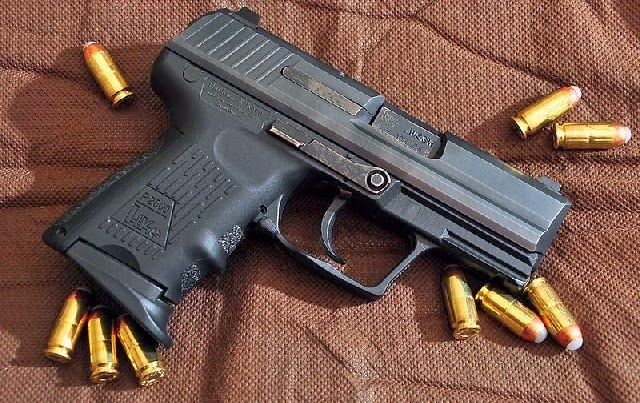
The 9mm Luger’s enduring appeal rests on its ability to **balance recoil, stopping power, and magazine capacity in one round**. Its moderate felt recoil allows for faster follow-up shots and sustained accuracy during high-volume practice, unlike snappier calibers that fatigue shooters. Modern defensive loads deliver terminal performance comparable to larger rounds, while the cartridge’s compact case geometry enables double-stack magazines holding 15–18 rounds in a service-sized frame. This trifecta—manageable control, adequate penetration, and high round count—creates a practical sweet spot: you can place accurate fire on target without sacrificing the capacity to handle multiple threats. No other common pistol cartridge delivers this equilibrium so consistently.
Comparing 9mm to .40 S&W and .45 ACP for Practical Self-Defense
When stacked against the .40 S&W and .45 ACP, the 9mm’s edge for practical self-defense hinges on controllable rapid-fire accuracy under stress. A .40 S&W delivers a sharper snap with marginal ballistic gains, while the .45 ACP’s heavy push slows your follow-up shots. In a defensive scenario, shot placement beats raw power. The sequence favors 9mm:
- Lower recoil impulses keep your sights on target for quicker second shots.
- Higher magazine capacity (typically 15–17 vs. 10–12) reduces reload stress.
- Modern 9mm defensive loads, like +P hollow points, match or exceed older .40 and .45 wound profiles.
You trade a fraction of diameter for speed and capacity, which matters more when adrenaline 6.5x57R Ammo for Sale spikes and your grip tightens. For most shooters, that trade-off wins every time.
Full Metal Jacket vs. Hollow Point: Which Bullet Type Should You Load for Range Day?
For your next range day, the choice between 9mm full metal jacket and hollow point boils down to what you want from your trigger time. FMJ rounds—typically 115 or 124 grain—are your workhorses, feeding flawlessly through any pistol and punching clean holes in paper without shredding backstops, which is why I load them for bulk practice and sighting in. Hollow points, however, demand your respect because they expand violently on impact, ripping through target cardboard and often leaving you with ragged, hard-to-read shot groups. That expansion eats your wallet fast, and the feed ramp on a finicky gun might choke on their wide nose. If you’re training for self-defense reliability, a box of premium hollow points is worth cycling through your carry mags. But for sheer round count and smooth shooting, FMJ never jams, never hangs up, and lets you focus purely on your grip and sight alignment. Yet there’s a hidden truth: shooting a few hollow points at the end of every session teaches you how your gun truly recoils when it matters. So load FMJ for volume, then switch to hollow points for confidence.
Why FMJ Rounds Keep Your Practice Budget Low and Barrel Clean
At the range, choosing economical 9mm FMJ practice ammo directly attacks your biggest expense: round count. Because the copper jacket prevents lead from smearing into the rifling, your barrel’s lands and grooves stay free of fouling buildup, which means you shoot longer between deep cleaning sessions with harsh solvents. The same hard jacket also lubricates the bore as it travels, reducing copper and carbon accumulation compared to exposed-lead hollow points that strip and leave high-maintenance residue. This twin benefit—lower per-box price and less frequent maintenance—lets you burn through hundreds of rounds weekly, building muscle memory without the guilt of costly consumables or the downtime of scrubbing a leaded .32 ACP Ammo for Sale barrel. Your practice budget goes further, and your firearm runs cleaner, longer.
How Jacketed Hollow Points Expand Reliably for Personal Protection
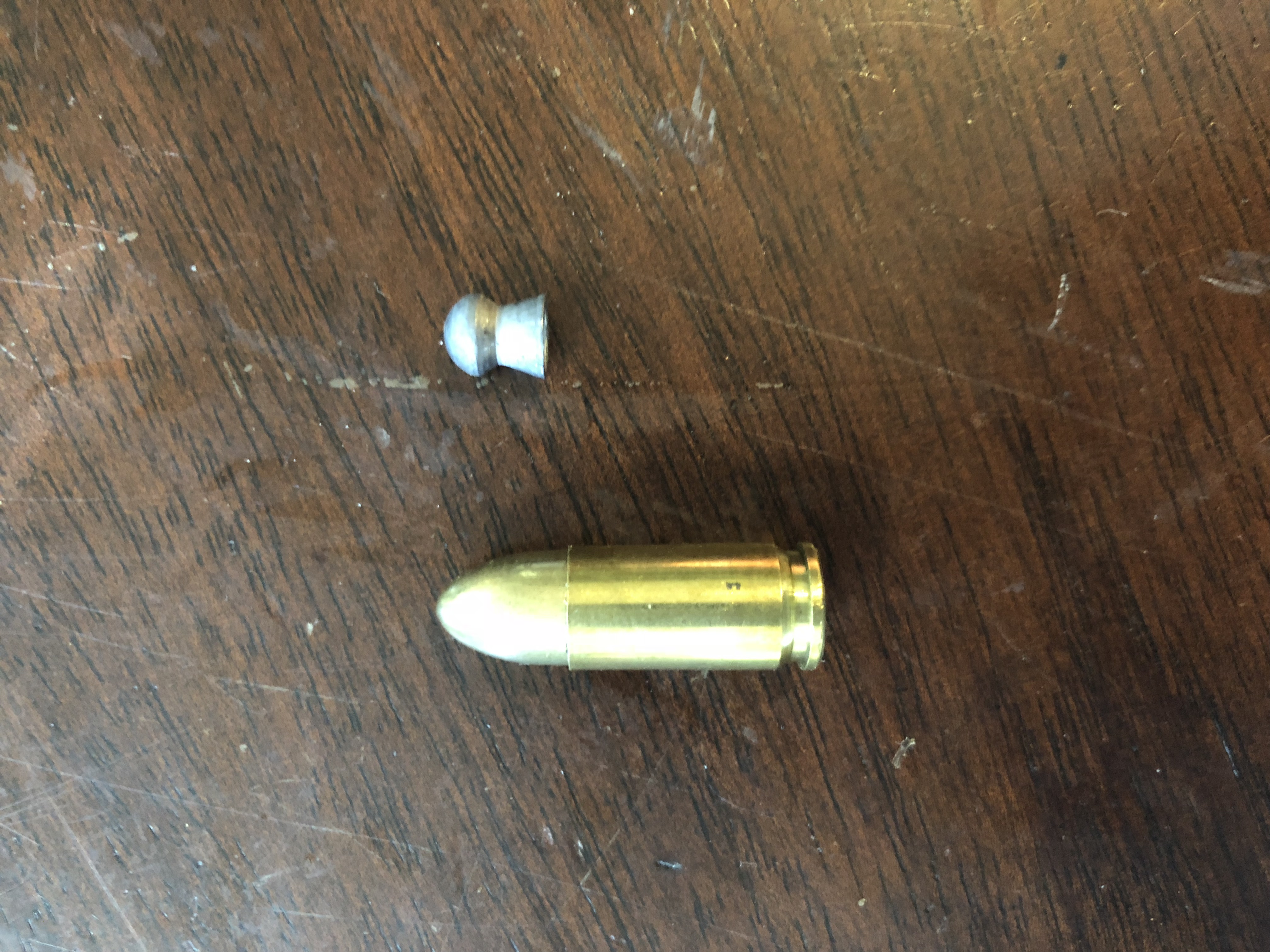
For personal protection, reliable JHP expansion hinges on velocity and bullet design. In 9mm, a quality jacketed hollow point must reach a consistent speed—typically 1,000+ fps from a compact barrel—to force hydraulic pressure into the central cavity. That pressure peels the jacket petals outward in a controlled mushroom, roughly doubling the bullet’s diameter. The jacket’s scored, serrated mouth prevents clogging by clothing, ensuring the hollow cavity stays open on impact. This expansion transfers energy rapidly, creating a wider wound channel while limiting over-penetration—critical for defensive scenarios. Choose a bonded-core JHP (like Gold Dot or HST) https://specialtysportsandsupplyltd.com/ that holds its weight, as non-bonded jackets can fragment and fail to expand fully.
Q: How do I verify that my 9mm JHPs will expand reliably from my carry gun?
A: Test your specific load in your barrel—ideally into ballistic gel or water jugs—to confirm the bullet opens consistently at your muzzle velocity, not just the factory’s test-barrel numbers.

Understanding Bullet Grain Weight—115gr, 124gr, or 147gr: What’s the Real Difference?
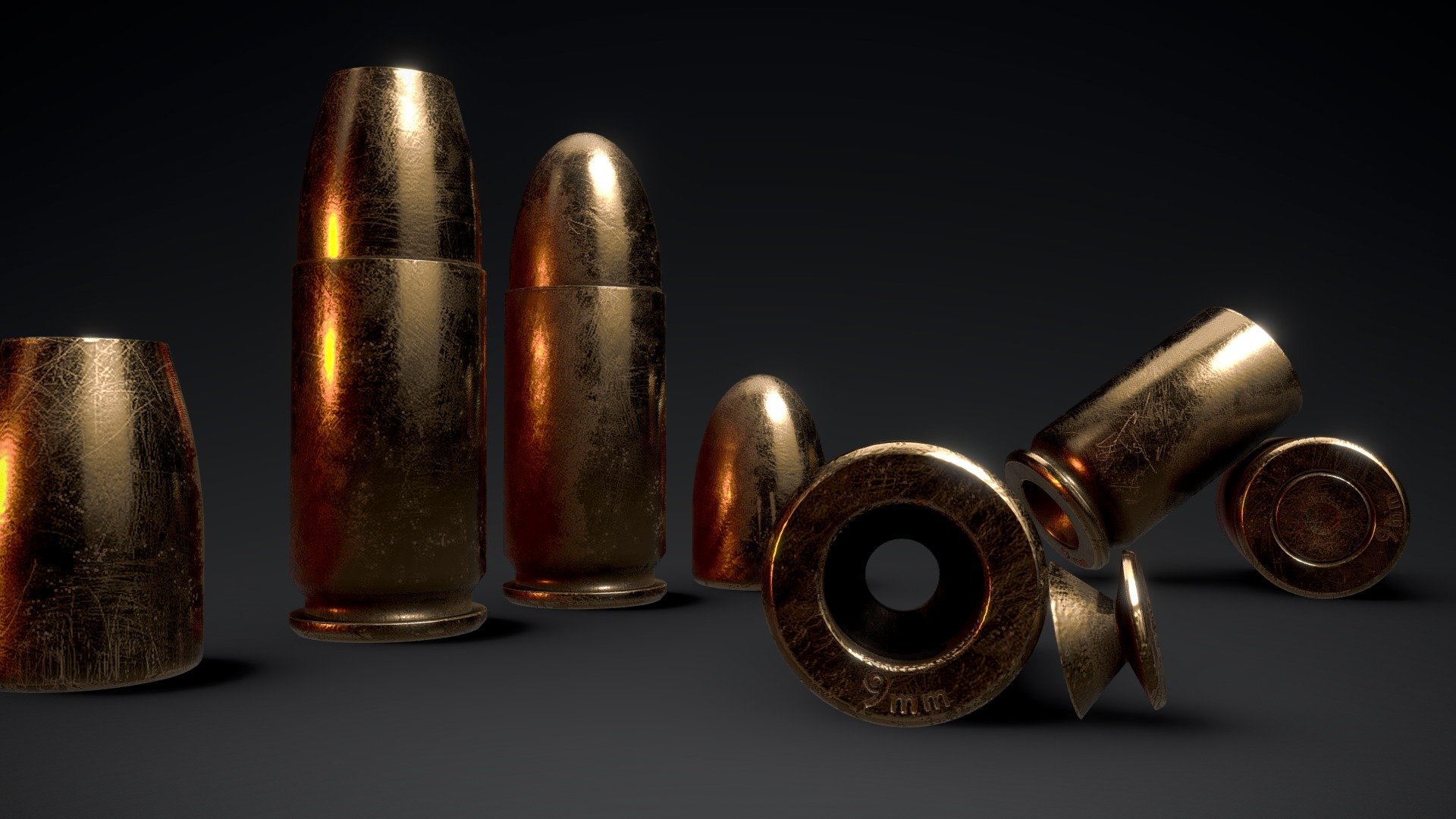
In 9mm ammo, bullet grain weight—115gr, 124gr, or 147gr—directly alters felt recoil, muzzle flip, and sound signature. Heavier 147gr loads are subsonic, making them ideal for suppressed use, while lighter 115gr rounds produce flatter trajectories and snappier recoil. The 124gr option is a practical middle ground, blending manageable recoil with reliable cycling across most handguns. For defensive use, 124gr and 147gr often penetrate deeper and transfer energy better than 115gr, though 115gr can excel in compact pistols where faster slide velocity aids function. Lighter grains yield higher muzzle velocity but more perceived kick; heavier grains feel like a slower push, aiding follow-up shots.
If your pistol runs reliably with 124gr, it generally handles both 115gr and 147gr—but always test your specific firearm.
Choose grain based on your platform’s recoil spring stiffness, suppressor use, or target distance, not marketing claims.
Selecting a Lighter Grain for Faster Follow-Up Shots and Lower Felt Kick
When prioritizing faster follow-up shots and lower felt kick, a lighter 115-grain 9mm load is the practical choice for most shooters. The reduced projectile mass generates less recoil impulse, allowing the muzzle to return to zero more quickly, which directly shortens split times between rounds. This is especially beneficial in defensive or competitive drills where multiple impacts on target are required. The perceived recoil difference is tangible on the range, yet you still retain sufficient terminal performance. .338 Lapua Ammo for Sale To optimize this setup, consider the following:
- Test 115-grain loads with a faster-burning powder for a snappier, but lighter, push.
- Use a strong grip and .32 Win Special Ammo for Sale a slightly higher thumbs-forward hold to control the reduced muzzle rise.
- Practice double-taps from the holster to program your muscle memory for the quicker sight recovery.
Heavier Subsonic Loads for Suppressed Shooting and Reduced Muzzle Flip
Heavier subsonic loads, particularly 147gr rounds, excel at keeping shots quiet when paired with a suppressor because they stay below the sound barrier without needing powder-heavy charges. The increased mass also slows the slide’s rearward travel, which .35 Remington Ammo for Sale measurably reduces muzzle flip and lets you track your front sight through the recoil impulse. This makes the 147gr a favorite for competitive shooters who want fast follow-up shots, but the softer felt recoil requires a firmer grip to avoid limp-wristing malfunctions. In contrast, 115gr and 124gr loads typically remain supersonic, producing a crack that defeats suppression and snapping the muzzle higher. For suppressed drills or night work, 147gr subsonic ammunition delivers the quietest, flattest-shooting experience while keeping your zero consistent.
How to Check If Your Pistol Cycles Cheap 9mm Ammo Without Malfunctions
To verify your pistol cycles cheap 9mm ammo reliably, start by stripping and thoroughly lubricating the rails and extractor—budget rounds often have harder primers and weaker powder charges, which demand a slick action. Load just one round, fire, and observe if the slide locks back on an empty magazine; if it short-strokes, your recoil spring is too stiff for that load’s lower pressure. Next, fire a full mag slowly, then rapidly, checking for stovepipes or failure-to-feed, which indicate weak ejection. Cycle testing must include at least 200 mixed rounds to expose intermittent issues like primer drag or light strikes. If malfunctions appear, switch to a lighter recoil spring or a heavier mainspring—but only after confirming the barrel and chamber are spotless.
Cheap 9mm often runs fine only after your pistol breaks in past 500 rounds, so don’t judge it on the first box.
Finally, test with the cheapest hollow-points you trust, as their feed geometry stresses the ramp differently than ball ammo.
Identifying the Best Recoil Spring Weight for Low-Power Target Loads
For low-power 9mm target loads, recoil spring weight selection begins with 6.8 SPC Ammo for Sale a baseline test: fire five rounds of your chosen ammunition through a factory-rated spring and observe the ejection pattern. If brass lands within two feet or fails to clear the port, you need a lighter spring—typically 10–12 pounds—since weak loads lack the gas pressure to fully compress a stock 16-pound unit. Conversely, if the slide slams forward with excessive force or the gun feels snappy, increase weight by one pound increments. Always verify return-to-battery: a spring too light lets the slide outrun the magazine’s follower, causing feed ramps to strip rounds prematurely. Chronograph velocity and compare to the manufacturer’s spring chart, then test 50 consecutive rounds without lubrication changes to confirm reliability before committing.
Signs of Underpowered Cartridges Like Stovepipes and Failure to Lock Back
When your pistol chokes on budget 9mm, the slide’s short stroke is the culprit. A **stovepipe** happens when the spent casing doesn’t eject fully, getting pinched by the returning slide—often because weak powder pressure fails to cycle the action with enough force. Similarly, a failure to lock back on the last round signals the magazine follower isn’t being pushed high enough by the slide stop, again due to insufficient slide velocity. If you see either sign, the cartridge’s recoil impulse is simply too anemic for your recoil spring’s resistance. These malfunctions are your clearest red flag that the ammo lacks the oomph needed for reliable function.
What’s the Ideal 9mm Load for a Home Defense Pistol in a Tight Hallway?
The ideal 9mm load for a home defense pistol in a tight hallway is a **jacketed hollow point** (JHP) that expands reliably at lower velocities, like Federal HST or Speer Gold Dot in **124-grain** or 147-grain weights. In close quarters, over-penetration is your biggest risk, so you want a round designed to dump energy quickly into a threat without blasting through drywall and into a loved one’s room. A standard-pressure 124-grain JHP often cycles more smoothly than +P loads, which can create excess muzzle flash and recoil that blinds you in a dark hallway. Stick with proven law-enforcement loads, not exotic frangible ammo, since they’re tested for barrier performance. Lastly, shoot a few boxes to confirm your pistol feeds them flawlessly—reliability beats any ballistic spec when the hallway is only ten feet long.
Measuring Overpenetration Risk Across Drywall and Interior Doors
Measuring overpenetration risk across drywall and interior doors requires a systematic comparison of projectile behavior after barrier impact, not just raw penetration depth in gel. To quantify real-world hallway risk, first assess performance against a single layer of 1/2-inch drywall, which typically strips jacket petals from hollow points and reduces retained weight. Second, test against a hollow-core interior door, as its thin veneer and cardboard matrix can unpredictably deflect or fragment a bullet, altering trajectory more than raw depth suggests. Third, evaluate residual velocity and wound channel in a backing medium—use calibrated ballistic clay, not water—to model a human threat behind the barrier. Finally, repeat shots at varied angles (oblique impact) because tight hallways force near-parallel strikes on door edges, where retained penetration depth after barrier defeat becomes the critical metric. A load that passes through two barriers yet still delivers a 12–18 inch gel penetration core offers a defensible balance; one that exits a door with over 20 inches of remaining depth fails the risk assessment.
Choosing a Bonded Hollow Point That Retains Weight Through Heavy Clothing
When selecting a 9mm load for close-quarters defense, bonded hollow points that retain weight through heavy clothing prevent premature jacket separation, which otherwise causes shallow penetration and erratic wound paths. A bonded core fuses the lead alloy to the copper jacket, ensuring the projectile stays intact after passing through denim, leather, or layered synthetics before reaching the torso. Verify performance through gel tests with a four-layer clothing barrier, not bare gel, since fabric can clog conventional hollow points. Expansion is secondary to penetration; a bullet that fails to reach vital structures is useless regardless of diameter. Prioritize loads with a proven track record of 12–18 inches of penetration after cloth, and confirm your pistol cycles them reliably.
- Choose a bonded bullet (e.g., Speer Gold Dot, Federal HST bonded variants).
- Test through heavy clothing in a calibrated gelatin block.
- Check that retained weight exceeds 95% post-impact.
This ensures consistent performance in a hallway where a miss is less likely than a deflection through thick garments.
Can You Dry-Fire Train With Snap Caps and Live 9mm Rounds Safely?
Dry-firing a 9mm with snap caps is safe, but mixing them with live 9mm rounds in the same magazine is a dangerous practice that invites a negligent discharge. The risk isn’t mechanical—it’s cognitive: your brain sees a cartridge, assumes it’s a Ammunition for Sale dummy, and your trigger finger goes slack. For 9mm ammo, snap caps are visually distinct (bright red or polymer), yet a live round can still be chambered by mistake, especially under low light or fatigue. Always separate snap caps from live 9mm rounds into different magazines or load them one at a time, verifying each round visually. Q: Can you dry-fire with snap caps and live 9mm together? A: Only if you never rack the slide blindly—otherwise, keep them entirely apart.
Using Inert Training Rounds to Practice Malfunction Drills Without Damage
Using inert training rounds for malfunction drills preserves your firearm’s integrity while building critical muscle memory. Unlike live 9mm cartridges, these weighted dummy rounds lack a primer and propellant, so they absorb the striker or hammer impact without transferring force to the firing pin channel—preventing peening, breakage, or excessive slide wear. Inert training rounds allow realistic tap-rack and failure-to-fire practice because their extractor groove and case dimensions mimic factory ammo, feeding and ejecting reliably. This ensures you can repeatedly induce double-feeds, stovepipes, or light primer strikes for clearing practice without risking damage to the extractor, ejector, or barrel throat. They also eliminate the safety hazard of accidentally chambering a live round during dedicated dry practice sessions.
Storing Your Bulk 9mm Purchases in Ammo Cans to Prevent Corrosion
When you buy 9mm in bulk, transferring rounds from factory cardboard boxes into sealed ammo cans is your first defense against corrosion. The key is controlling moisture before sealing the cans. Do not assume the ammo is dry from the factory; environmental humidity during transport can leave microscopic condensation. For optimal storage, follow this sequence: first, inspect the cans for cracked rubber gaskets and replace any faulty seals. Second, place silica gel desiccant packs inside—roughly two 5-gram packs per 50 rounds—to absorb ambient moisture. Third, layer the cartridges in cardboard trays (never loose, which traps air pockets). Finally, seal the lid and store in a climate-stable area, avoiding garages or attics where temperature swings force condensation. This method prevents oxide formation on brass cases and primers, preserving ignition reliability for years.